

Sharjah expands Islamic World Heritage footprint with four new archaeological sites
Bronze Age mining, forts and prehistoric deserts gain global status
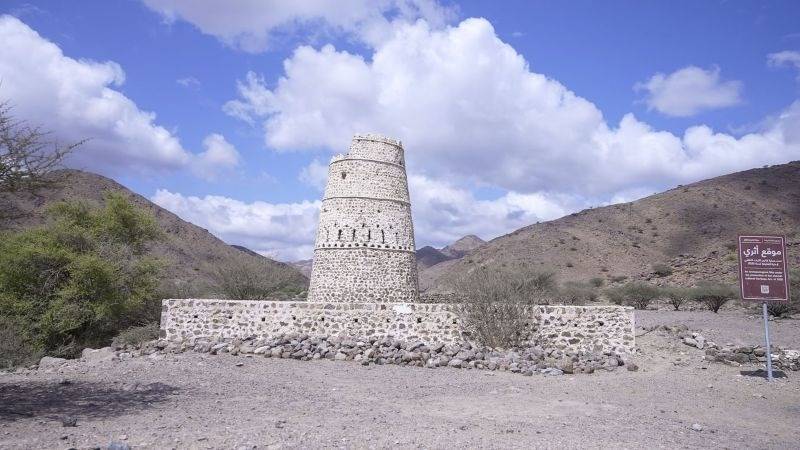
SHARJAH – The Sharjah Archaeology Authority has secured international recognition for four additional heritage locations after they were officially inscribed on the Islamic World Heritage List by Islamic World Educational, Scientific and Cultural Organisation, marking a major expansion of Sharjah’s registered cultural assets.
The newly added sites span prehistoric landscapes, Bronze Age industrial zones and fortified coastal defences. Officials say the move reflects years of field research, documentation and conservation work across the emirate.
The new inscriptions were completed through joint coordination between SAA and the Authority for Initiatives Implementation and Infrastructure Development, also known as Mubadara, as part of a broader heritage protection and promotion strategy.
New listings
Among the newly recognised locations is Wadi Al-Helou, described as one of the most significant copper mining and smelting centres in south-eastern Arabia during the Bronze Age. Located in the Hajar mountain range in eastern Sharjah, the valley contains remains of ancient mines and furnaces, along with extensive smelting evidence. Archaeological findings indicate continuous human settlement since prehistoric periods and confirm its role as a major production and trade hub thousands of years ago.
Also added is the Prehistoric Cultural Landscape of Al-Faya, considered a globally important desert settlement record. Positioned between the Arabian Gulf and the Sea of Oman, the site preserves archaeological layers dating from roughly 210,000 to 6,000 years ago. Research from the area provides evidence of early human adaptation to climate shifts and supports migration models showing movement of modern humans southward from Africa.
Mountain enclave
The historic Al-Nahwa area, another newly inscribed site, documents centuries of traditional mountain life. The enclave includes stone dwellings, a historic mosque, an Islamic cemetery, watchtowers, prehistoric rock carvings and long-used mountain pathways. Archaeologists say the landscape demonstrates how communities adapted their architecture and settlement patterns to rugged terrain and limited resources.
Officials noted that the collection of structures and routes offers a continuous cultural record of social and environmental interaction in the highlands of eastern Sharjah.
Coastal defences
The listing also covers the historic towers and forts of Khorfakkan, which together formed an integrated defensive network protecting the coastal city and its natural harbour. Key components include Khorfakkan Fort, the Portuguese Fort, and Al Rabi and Al Adwani towers. Built at elevated and strategic points, these structures were designed to monitor maritime and overland trade routes.
Researchers say the complex illustrates the evolution of defensive architecture and highlights the region’s historic role in trade corridors linking the Gulf with the Indian Ocean and East Africa.
SAA Director-General Issa Yousef said the inscriptions align with Sharjah’s long-term heritage strategy and reflect the cultural vision supported by Sultan bin Mohammed Al Qasimi. With the latest additions, the number of Sharjah sites on the Islamic World Heritage List rises to 10, strengthening the emirate’s international cultural registry.